
This is a guest blog post written by fellow nurse, Kristine Shepherd, MSN, RN
If you’re a nurse who’s curious about stepping outside of traditional bedside care (but still wants to make a real impact on patient outcomes) you might want to learn more about what a Clinical Nurse Consultant does.
Before we dive in, let’s clear up one quick thing: Clinical Nurse Consultant and Clinical Nurse Specialist are both often referred to as “CNS,” but they’re very different roles. Clinical Nurse Specialists are advanced practice registered nurses (APRNs) who hold prescriptive authority in many states, and often work in direct patient care or nursing education. A Clinical Nurse Consultant, on the other hand, works more in healthcare consulting, which usually looks like collaborating with hospitals, product developers, and leadership teams to solve complex clinical and operational problems (so not direct patient care).
I’m Kristen, and I’ve worked as a Clinical Nurse Consultant for several years after transitioning from critical care and leadership roles. I recently sat down with Kati from FreshRN to talk about what this role really looks like, how to get started, and what I love most about it.
Table of Contents
So… what does a Clinical Nurse Consultant actually do?
This role can look a little different depending on where you work, but in general, we serve as clinical problem-solvers and process improvers (and we wear a lot of hats).
In hospitals or outpatient settings, we observe workflows and analyze clinical processes to uncover any unseen challenges. Once we have a clear picture of the current state, we then recommend solutions – through people, process, or technology – that help improve efficiency, save nurses time, and enhance patient care and safety.
That could mean optimizing supply chain processes, improving how medications are accessed on the unit, or implementing new software or devices.
We also do product demonstrations (think: automated dispensing cabinets, med room software, and POC tech) and explain how they function in real-world workflows. Sometimes that’s in a hospital boardroom with a mix of pharmacy, IT, and nursing leaders. Other times it’s at national conferences, trade shows, or corporate-sponsored events. On top of that, we support our sales teams by educating them on the clinical side of things, helping them understand what nurses actually need in real life, and how our products can meet those needs.
And one of my favorite parts? We also serve as a liaison between our customers and our R&D teams to share insights about the nursing challenges we’re still not solving. Basically being the voice of the nurse in product development meetings so we can continue to improve our solutions.
A Day in the Life
Every day is so different! I usually travel 2–3 days per week to meet with customers for onsite workflow observations, facility walkthroughs, solution design sessions, or demos. The rest of the week I work remotely: hosting virtual demos for different products, answering customer emails, and attending internal meetings focused on customer strategy.
When I’m not traveling, I’m still fully engaged with customer projects and internal planning. You have to be good at managing your time, because you’re balancing a lot of communication and moving pieces at once.
My Journey from Bedside to Consultant
Before becoming a Clinical Nurse Consultant, I worked in some pretty fast-paced roles. I was a House ****Supervisor at a busy county hospital, and a Clinical Supervisor in one of the busiest PICUs at a children’s hospital. So moving into a consulting role was a big shift. The pace and focus were very different.
Instead of managing patients and staff and caring for the sickest children in the hospital, I became a subject matter expert on point-of-care technology. Suddenly, I wasn’t just a nurse anymore; I was also my own travel agent, expense bookeeper, and time manager. It took a good 9–12 months to fully get into the rhythm of this new kind of role. But now, I can’t imagine doing anything else.
What Kind of Experience Helps You Get Here?
If you’re thinking about this career path, bedside experience is incredibly valuable, especially if you’ve worked in different departments or held leadership roles.
It also helps to have some understanding of sales, business strategy, or project management. You don’t have to be an expert in those things, but having a genuine curiosity for that world goes a long way.
Traits That Make a Great Clinical Nurse Consultant
This job isn’t for everyone, but if these sound like you, you might be a great fit:
- You’re self-motivated and a self-starter who thrives with autonomy
- You’re a critical thinker and enjoy solving complex problems
- You’re committed to delivering excellent customer service
- You’re comfortable communicating with people at all levels (from bedside nurses to C-suite executives)
- You’re super organized and good at managing multiple priorities (you NEED solid time management skills)
- You’re passionate about improving care, even if you’re not delivering it directly
Basically, do you love solving problems but are ready to leave the bedside?
If yes, this role could be perfect for you! This position is deeply rooted in problem-solving while still considering how bedside care is actually delivered by nurses.
Being a Clinical Nurse Consultant keeps you connected to real clinical workflows and the challenges nurses face daily, but allows you to work from a broader systems perspective. You’re still advocating for nurses and patient outcomes, you’re just doing it from a different angle.
How This Role Has Evolved
As Omnicell has evolved from offering only supply solutions to providing a comprehensive medication management portfolio, this role has grown significantly. When I first started, Clinical Nurse Consultants were mostly focused on product demonstrations and was mostly a transactional role. But now? We’re much more strategic and deeply involved in solution design aligned with an organization’s broader medication management goals.
We’ve expanded our work from single products to comprehensive medication management solutions, and that shift has made our role even more impactful. And it requires extensive collaboration, both internally and externally. How medications are managed in the central pharmacy directly impacts point-of-care areas, and the workflows designed to maximize efficiency.
Feeling Burned Out at the Bedside?
Trust me, I get it. If you’re exhausted, it can feel like you’re just stuck, but my advice is to think about what parts of nursing you love most, and seek out roles that allow you to focus on those aspects.
Is it troubleshooting systems? Training new staff? Fixing processes? Those skills are incredibly valuable in consulting and leadership roles, and there are paths that let you use them without giving up your identity as a nurse.
The best part of being a nurse is how diverse the profession is! There are so many different roles inside and outside of hospitals, with flexible schedules and shifts.
Most significant opportunity right now for nurses (outside of traditional roles)
With an aging population, expanding healthcare systems, and a wave of retiring nurses, there’s never been a better time to explore non-traditional nursing paths. Nurses with advanced degrees in business or nursing practice will find even more doors open to roles outside of bedside care.
Final Thoughts on What it’s Like Being a Clinical Nurse Consultant
There’s a lot to love about this role. I love the autonomy, the variety, the travel, and interacting with so many different people. But for me, the best part is knowing that my work helps make medication use safer and more efficient, which ultimately improves patient care. Even though I’m not at the bedside anymore, I know I’m making a difference every single day.
Being a Clinical Nurse Consultant means bringing your nursing expertise to the table in new and exciting ways. If you’re ready for a change, but still passionate about supporting nurses and improving care, this role might be exactly what you’re looking for.
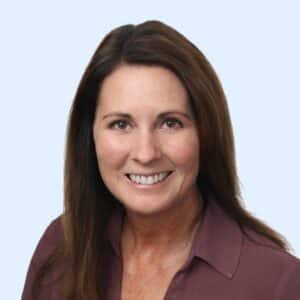
Kristine Shepherd, MSN, RN joined Omnicell in 2016. With more than twenty-five years of clinical and management experience in nursing, Ms. Shepherd brings a wealth of unique clinical experience as well as an ability to foster collaborative relationships while providing expertise in process improvement and safety, ultimately increasing the efficiency of health care delivery. Ms. Shepherd has a passion for research, education, utilizing best practices within the nursing profession, and compliance with regulatory requirements – providing essential resources for our healthcare partners.
Prior to joining Omnicell, Ms. Shepherd served as a Director of Nursing for the New Mexico Department of Health, Public Health Division, providing expertise and consultation to healthcare partners concerning infectious diseases, policy and practice improvement, with consideration of state and federal regulatory recommendations. Ms. Shepherd holds a Master of Science in Nursing Leadership and Management from The George Washington University.
FAQs on What does a Clinical Nurse Consultant do?
For those unfamiliar, what does a Clinical Nurse Consultant actually do?
It really varies by organization, but we typically support both internal and external customers. In hospitals or outpatient settings, we perform workflow observations and analyze clinical processes to uncover any unseen challenges. Once we have a clear picture of the current state, we then recommend solutions – through people, process, or technology – that help improve efficiency, save nurses time, and enhance patient care and safety.
We’re hands on partners to our customers during the solution design phase to help them decide which software/hardware is appropriate and has the features/functionality for their specific needs. We do product demos of both hardware and software either in person or virtually. These demos are usually presented to hospital pharmacy teams, nursing staff, IT, and members of the C-suite, at hospitals, trade shows, or corporate-sponsored events. We support our sales team by offering clinical insight into how products are used in hospitals and the common challenges they address. We also help educate the team on clinical workflows so they’re better equipped to engage with both pharmacy and nursing leaders.
And finally, we also serve as a liaison between our customers and our R&D teams, relaying the challenges we’re still not solving so we can continue to improve our solutions.
What does a typical day in your role look like?
Every day is so different. We typically travel 2–3 days per week to meet with customers for workflow observations, facility walkthroughs, solution design sessions, or demos. The remaining days are spent working from our home office, where we conduct virtual software and hardware demos, attend internal meetings focused on customer strategy, and manage ongoing communication via email.
How did you transition from bedside nursing to consulting?
When I took the nurse consultant role, my most recent positions were as a House Supervisor at a busy county hospital and a Clinical Supervisor in one of the busiest PICUs at a children’s hospital. The pace and focus were very different. I went from managing nurses and caring for the sickest children to becoming a subject matter expert for POC products, as well as my own travel agent, expense bookkeeper, and time manager. It took about 9–12 months to fully transition into the role.
What kind of education or experience do you think is most helpful for nurses who want to pursue this path?
For this role, it’s helpful to have hospital nursing experience across various departments, along with leadership experience. Education or exposure to business and sales concepts is also valuable.
What types of skills make someone a good fit for this role?
This position requires someone who is self-motivated, a self-starter, a critical thinker, highly organized, strong in time management, and committed to delivering excellent customer service.
What advice do you have for a nurse who’s starting to feel burned out at the bedside and is looking into non-bedside nursing careers?
The best part of being a nurse is how diverse the profession is. There are so many different roles inside and outside of hospitals, with flexible schedules and shifts. If you’re feeling burned out, it can be easy to feel stuck but think about what parts of nursing you love most and seek roles that allow you to focus on those aspects.
What’s one thing you love about your job that most people wouldn’t expect?
It’s hard to choose just one thing. I love the autonomy, the variety, the travel, and interacting with so many different people. But most of all, I love knowing that I play a part in improving medication safety and patient care.
Wish you felt more confident making decisions on the floor?

You’re a good nurse, but you want to be a great one. Critical Thinking for Nurses teaches you how to notice subtle changes, make smarter decisions under pressure, and earn the respect of coworkers and providers alike (even that kinda intimidating one 👀).
See What’s Inside Critical Thinking →
0 Comments