
When you’ve got multiple patients to see, meds to give, and charting that won’t do itself, having a streamlined routine helps you stay focused, reduce overwhelm, and get ahead early in the shift. So here are a few simple strategies I use to get through assessments without falling behind before 0900.
1. Save the Chatty Patients for Last (When You Can)
When you’re getting report, mentally note which patients are extra chatty, and if it’s clinically appropriate, save those patients for last. They may be delightful, but they can really slow you down when you’re trying to get through your morning tasks. Prioritize efficiency early, and you’ll have more time later to circle back and connect.
2. Knock Out Assessments During Bed Baths
If you’ve got a bedbound patient who’s getting a bath, that’s a perfect time to jump in and assess. You can:
✅ Get a good look at their skin
✅ Help the CNA with turning
✅ Listen to posterior lung sounds easily
It’s a great way to build rapport with both your patient and the CNA. It shows teamwork, saves time, and gives you a more complete picture of your patient—win-win-win.
3. My In-The-Room Routine
Here’s how I typically structure my time in each room to stay efficient:
🩺 Greet and assess FIRST. Build that patient connection while knocking out the head-to-toe assessment.
💻 Open the computer, scan, and give meds.
📝 While they’re taking meds, chart the ABNORMAL assessment findings. This helps me document in real-time and avoid missing key details later.
👀 While charting, double-check for anything I missed and circle back if needed.
📅 Set expectations. Let the patient know when I’ll be back and what to expect for the rest of the day.
Then—BOOM—I’m off to the next room STAT! Rinse and repeat. Once I’ve made my way through all of my patients and handled assessments + meds, then I sit down to chart all the normal assessment findings/repetitive documentation.
4. Before You Panic, Check Previous Notes
If you think you hear a new murmur, odd lung or bowel sounds, or notice something that seems unexpected (like a new wound), pause before you page. Check the previous nurse’s documentation and the provider’s latest notes to see if it’s already been addressed or documented. This quick step can save you unnecessary calls and give you valuable context.
Efficiency Builds Confidence
Getting into a consistent flow takes time. You’ll tweak your process and slowly settle into a rhythm that feels natural. These small adjustments I shared might seem minor, but they make your day more manageable and help reduce that mental overload that weighs heavily on new nurses. And as you build a routine that works for you, confidence follows. Because you’re no longer just trying to survive the shift. You’re starting to take ownership of it. And that’s when things really begin to click. 🫰
Until next time,
Kati 🪴

Don’t be intimidated! Follow these tips for working with physicians and banish your nursing anxiety for good.
Continue Reading Working With Physicians: 8 Tips Every New Nurse Should Know

People pleasing in nursing leads to perfectionism, burnout, and anxiety. Learn how to break the cycle and build a more confident, compassionate identity.
Continue Reading People Pleasing in Nursing: How Perfectionism Leads to Burnout
Wondering if your preceptor is just tough, or actually toxic? Here’s how to spot the red flags of bullying, protect your mental space, and navigate this tricky dynamic like a pro nurse (without losing your mind).
Continue Reading Is Your Preceptor a Bully? Here’s How to Tell and What to Do
If you have to write out goals for nursing evaluations during your performance review process, I go over a few great ideas and ways you can structure yours!
Continue Reading 32 Powerful Goals for Nursing Evaluations to Help You Succeed
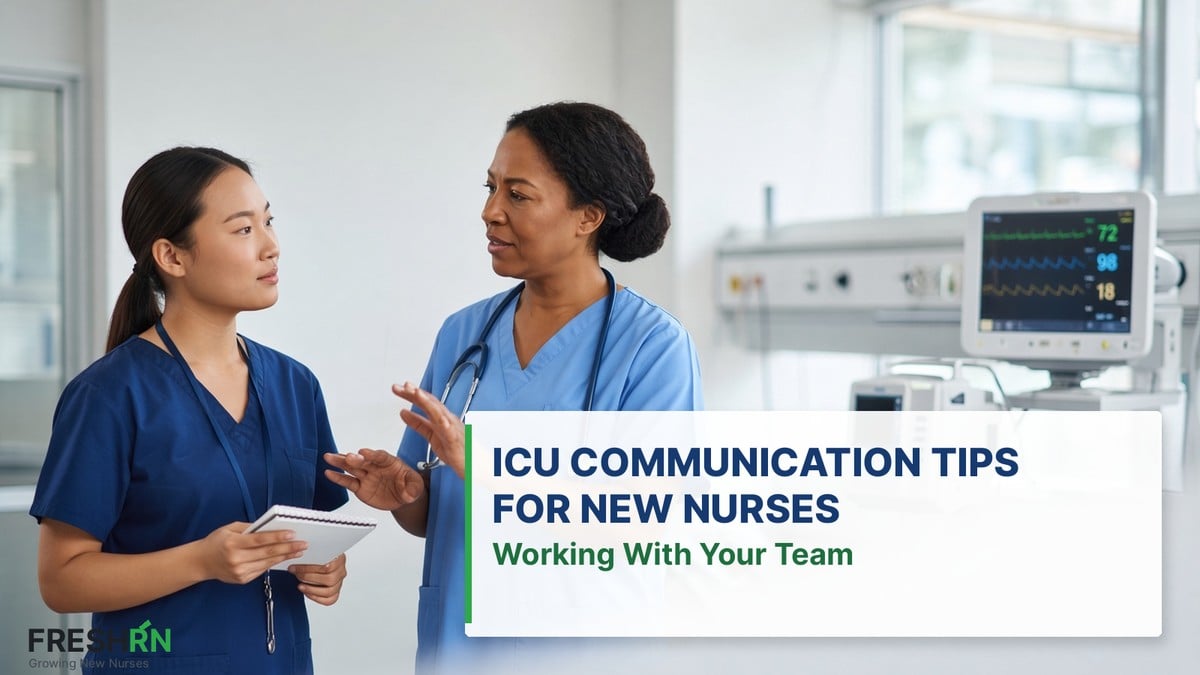
Practical ICU communication tips for new nurses: learn how to ask questions, speak up, and work with your team during your first months in critical care.
Continue Reading ICU Communication Tips for New Nurses: Working With Your Team

Cardiac nursing is very rewarding. Just when you think you’ve got it figured out, you’ll find something new. Let’s look at a Cardiac Nurse typical day.
Continue Reading Cardiac Nurse Responsibilities: A Typical Day on the Unit
Worried you’ll look clueless at clinicals? We’ve got you.

Nursing Skills Refresh gives you demo videos of common procedures, insider tips from two experienced nurses, and a clear picture of how a shift actually flows. The goal? Walk into clinicals feeling like you belong there, not like you’re in the way.
See What’s Inside Nursing Skills Refresh →

0 Comments