
It’s 0620. Night shift is almost over, you’re about to give report in 45 minutes, and you’re dreaming of heading home and faceplanting into your pillow… when the lab calls.
Your patient had a cardiac cath yesterday around 1600. A CBC and BMP were drawn at 0400 to follow up. The results just posted, but the potassium came back at an alert level of 2.7.
Here’s what makes it tricky:
- The cardiologist ordered the CBC.
- The hospitalist (and the attending physician) ordered the BMP.
- The potassium was part of the BMP, but you know the cardiologist would definitely care about that level.
- The patient normally takes furosemide for their heart failure and has a dose due at 0900.
Because it’s an alert lab value, policy says you need to call and notify a provider within 30 minutes and document that notification within that time frame in the patient’s chart.
Oh, and did I mention it’s about to be shift change for the nursing staff, and the doctors’ call at your hospital ends at 0700 too.
So… who do you call?
Cardiology? Hospitalist? The attending?
Here’s the reality: it depends
All throughout nursing school, we’re told, “Notify the physician, notify the physician”… but what if there are five different physicians on the chart?
What if you call one physician, and he tells you to call another physician, who then tells you to call another physician?
What if it’s in the middle of the night and you’re not sure if you’re waking someone up or not?
**P.S.**💡 If you’ve ever wondered what being on call or post-call means… or how physician schedules work in general, check out this blog post.
How doctors share responsibilities
A lot of the confusion comes down to how physicians share responsibilities:
Wish Your 12-Hour Shift Had A Map?👇
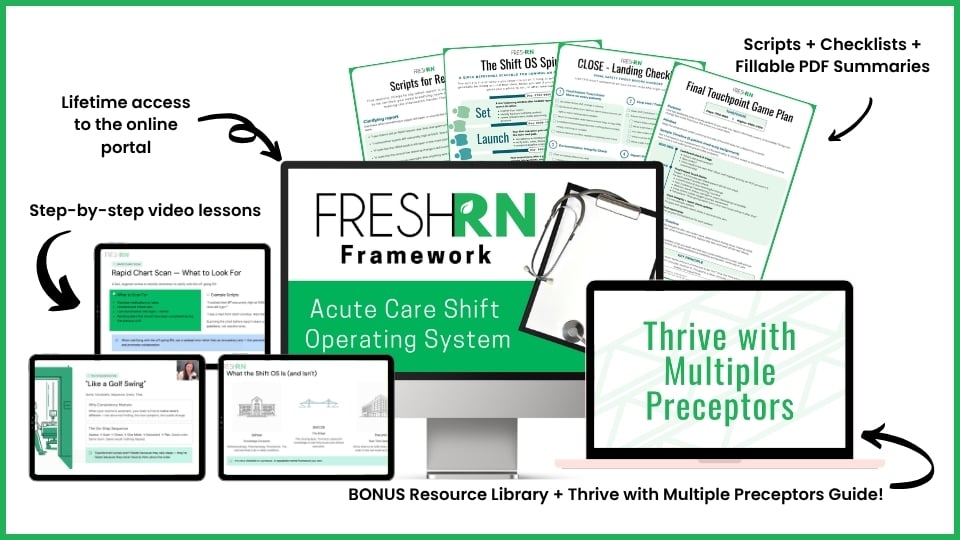
This course helps you turn a messy 12-hour acute care shift into a clear, structured rhythm. You’ll learn how to organize your day after report, prioritize when everything feels urgent, recover when something throws you off track, and give a stronger end-of-shift handoff. No fluff, no vague advice. Just a repeatable system you can use shift after shift. Designed specifically for med-surg, stepdown, and ICU nurses who are tired of feeling behind. No fluff. Just practical training you can use on your very next shift.
See What’s Inside Shift OS →
- Attending physician: Usually responsible for the overall plan of care and often the “final say.”
- Consulting specialists (like cardiology): Manage issues specific to their specialty, but only when consulted or related to their scope.
- Hospitalist: Oversees day-to-day care for admitted patients, unless the attending is directly involved.
So in this case? To answer the actual question about which doc to call, I’d probably call the attending. But, I’m 98.2% sure he or she would tell me to notify cardiology and have them deal with it!
Final thoughts
The truth is, knowing this isn’t a skill you perfect overnight. The more you see, the better you’ll get at making judgment calls. For now, your best bet is:
- Know the chain of command on your unit.
- Always check the orders before you call.
- When in doubt, start with the attending or hospitalist, and document who you called and when.
Because at the end of the day, the patient’s safety (and your license!) depends on that timely notification.
Until next time,
Kati 🪴
📌 Want to feel more confident in these kind of moments?
- Listen to this podcast episode where we give 8 tips for working with providers for nurses.
- Check out this full post on How Doctor Schedules Work (for the most part).
- And if you’re a brand new nurse you’ll love the New Nurse Master Class, where we walk through various real-world scenarios, just like this one.

Are you an anxious nurse? This guide will dig into practical steps to provide prospective and encouragement so that you can thrive as an RN.
Continue Reading The Anxious Nurse’s Guide to Thriving in a High-Pressure Environment
What should CNMs and CMs know about Midwife Malpractice Insurance? This guest post explains coverage gaps, license defense, and how to protect your career.
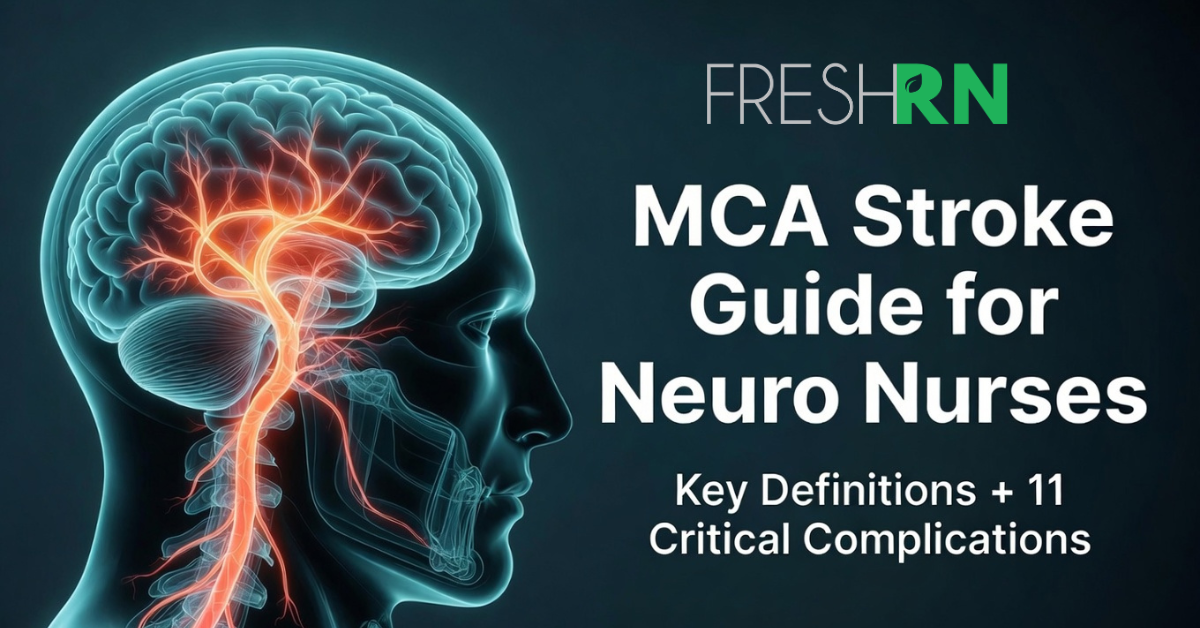
MCA stroke guide: Key definitions, symptoms, causes, care plans and 11 critical complications. Practical guidance for confident stroke nursing care.
Continue Reading MCA Stroke Guide for Neuro Nurses: Key Definitions + 11 Critical Complications

Master how to give a nursing report with step-by-step examples, checklists, and real scenarios. Download my free Med-Surg nursing report sheet (brain sheet) to make shift handoffs fast, organized, and stress-free. Perfect for new grads
Continue Reading How to Give Nursing Report (Shift Handoff + Free Report Sheet)
What do nurses actually want for Nurses Week? From pre-mixed Zosyn to self-washing scrubs, here’s my dream wishlist as a nurse!
Continue Reading What Nurses in 2026 ACTUALLY Want for Nurses Week
This is a guest blog post written by fellow nurse, Kristine Shepherd, MSN, RN Thinking about medication safety is one of those things nurse leaders don’t really get to turn off. Even on days when nothing obvious goes wrong, the “what ifs” still follow you as you’re driving home and catch yourself reflecting on your…
Continue Reading Leading Safer Care: A Nurse Manager’s Guide to Medication Safety
Want to stop feeling like an imposter in your first nursing job?

Your first nursing job is a huge milestone—but let’s be real, it can also be terrifying.
You’re expected to know so much, so fast—but what if you had a solid foundation before you even stepped onto the floor?
The FreshRN® New Nurse Master Class is the course we wish we had. It’s packed with the practical, real-world guidance
you need to feel more capable, confident, and in control.
From clinical skills and critical thinking, to time management
and self-care, this course covers everything they don’t teach you in nursing school—so you can feel ready, not just hope you are.
Start Lesson #1 Now


0 Comments