
Have you ever cared for a patient you felt was manipulating you to get more pain meds? In school, I told myself I would always believe the patient’s self report of pain, no matter what.
And then I found myself in this situation…
My wake-up call
It was a fairly routine day. My patient had a minor procedure and was set to be discharged later that day. She was half-asleep, but very specifically demanded:
- 2 mg IV Dilaudid
- 25 mg IV Phenergan
- 50 mg IV Benadryl
…all at the same time. And she told me to “push it fast because I don’t feel it anyway.”
When I questioned the safety of giving them together so quickly, and wanted to space them out, she screamed so loudly multiple nurses came running.
I remember standing there, fresh out of orientation, thinking: I was not ready for this. (And this is just one example. I have many more.)
The reality of substance use disorder in the hospital
Let’s be clear: I know patients experience pain and need to be medicated. I realize that it’s the nurse’s responsibility to manage pain to the best of our ability. I also know we cannot always accurately predict the level of pain someone else is in, especially patients who suffer from chronic pain. They have higher tolerances and individualized needs. I’m not talking about that patient population.
This is about patients who are struggling with substance use disorder, who are now in the hospital for something unrelated. This is a very unique situation because they still require pain management, but the dynamics are different.
As the nurse physically administering the meds, you’re on the front line of balancing compassionate care with safe practice. And since I started as a nurse in 2010, I’ve noticed a swift uptick in the frequency in which I care for patients who I suspect struggle with this.
Over the years, I’ve researched ways to cope with controlling the pain of patients with substance use disorder. And honestly, most of the information I’ve come across is pretty sterile and full of textbook-type of responses, which aren’t very helpful in the real bedside world.
Walking the line: compassion + boundaries
Caring for patients with substance use disorder is about recognizing the unique challenges they bring to pain management:
- Higher tolerance to medications
- Strong preferences for certain drugs and routes
- Emotional intensity when requests are questioned or delayed
- Complex trust dynamics with healthcare staff
It’s a tough balance. You want to honor their pain while also preventing harm. Over the years, I’ve found a few go-to strategies that help me navigate these situations without burning out or crossing ethical lines.
Here are a few quick takeaways pulled from my New Nurse Master Class that you can start using right away:
💡 Quick tips for managing pain in patients with substance use disorder (SUD)
- Check your judgment at the door – You don’t know their full story or what led to this disorder. Approach with empathy, not assumption.
- Be realistic – They may need more pain meds than other patients, and they may try to push for more. Don’t take it personally.
- Remind yourself of your role in this – You can’t “fix” substance use disorder during a 12-hour shift. Your role is to provide safe nursing care, educate, support, and encourage.
- Stay out of power struggles – Your role isn’t to “win” against the patient, it’s to provide safe, ethical care. Don’t withhold meds or delay care to feel in control, it’s unethical and unsafe.
- Keep it professional – Give matter-of-fact hand-offs without using stigmatizing terms and treat them as a fellow human doing the best they can with they they know.
Want to go deeper?
I dive into substance use disorder (both in patients and in nurses) in the FreshRN® New Nurse Master Class. I break down:
- The neurophysiological changes that happen with substance use disorder
- Special considerations for new grads facing this situation for the first time
- What to do if you suspect you may be struggling with it (nurses are actually at much higher risk than the general population)
- Scripts, practical tips, and talking points for when you’re faced with this at the bedside
Because this isn’t just about “difficult patients.” It’s about safe, compassionate, informed care, for everyone involved.

Don’t be intimidated! Follow these tips for working with physicians and banish your nursing anxiety for good.
Continue Reading Working With Physicians: 8 Tips Every New Nurse Should Know
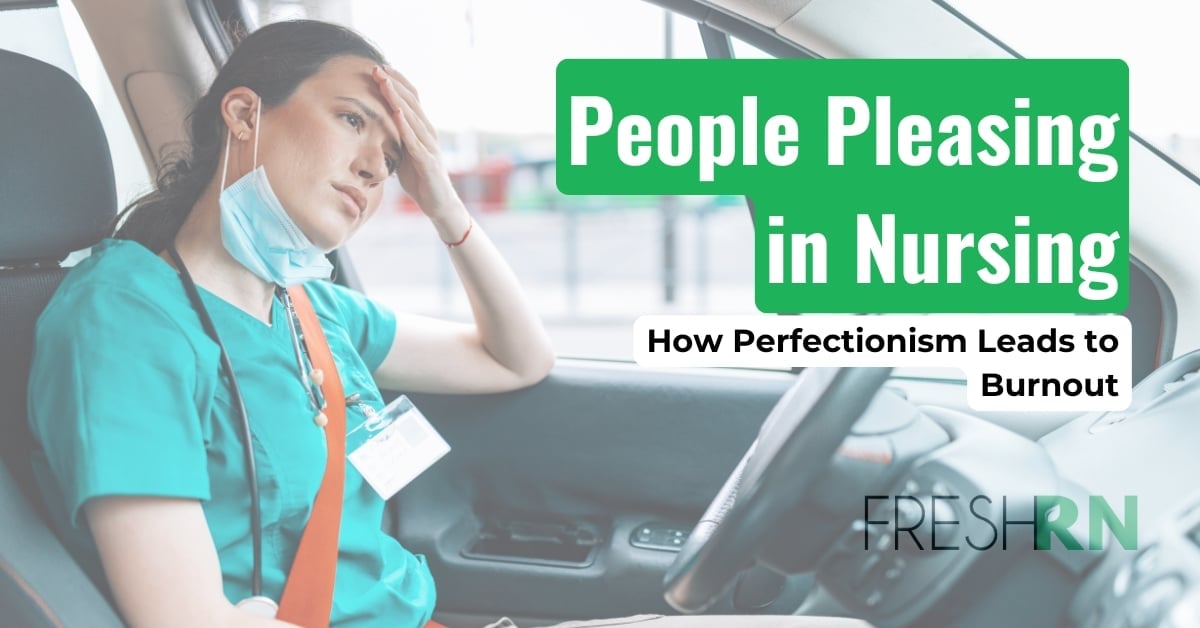
People pleasing in nursing leads to perfectionism, burnout, and anxiety. Learn how to break the cycle and build a more confident, compassionate identity.
Continue Reading People Pleasing in Nursing: How Perfectionism Leads to Burnout
Wondering if your preceptor is just tough, or actually toxic? Here’s how to spot the red flags of bullying, protect your mental space, and navigate this tricky dynamic like a pro nurse (without losing your mind).
Continue Reading Is Your Preceptor a Bully? Here’s How to Tell and What to Do
If you have to write out goals for nursing evaluations during your performance review process, I go over a few great ideas and ways you can structure yours!
Continue Reading 32 Powerful Goals for Nursing Evaluations to Help You Succeed
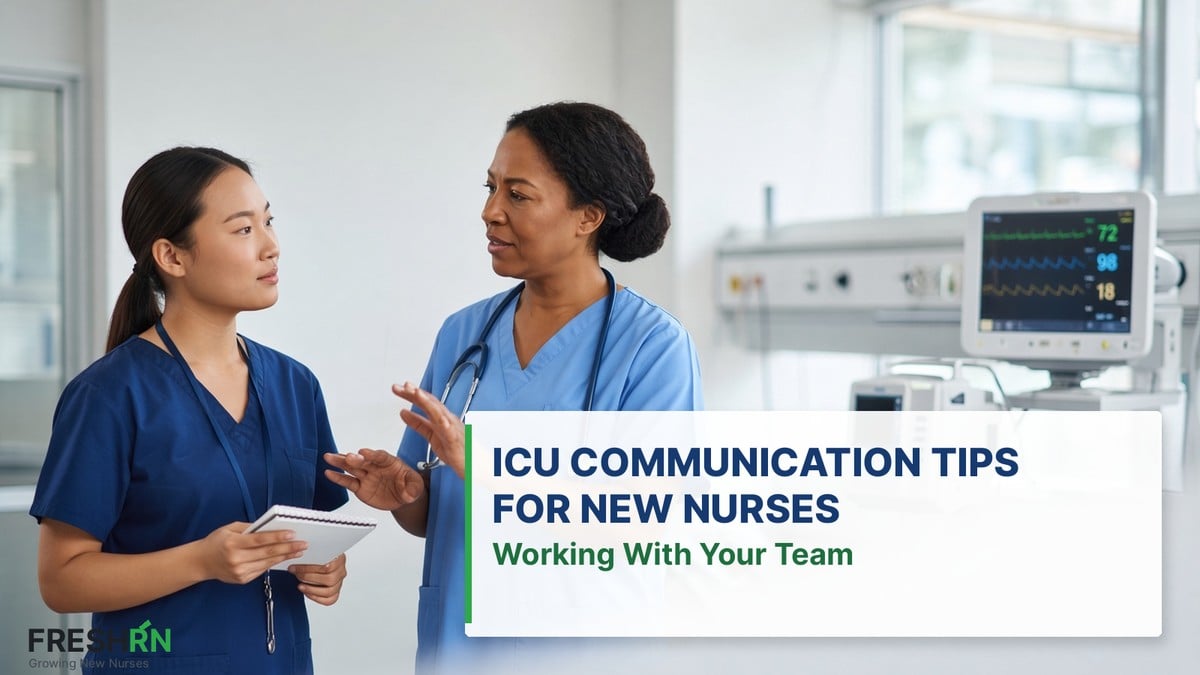
Practical ICU communication tips for new nurses: learn how to ask questions, speak up, and work with your team during your first months in critical care.
Continue Reading ICU Communication Tips for New Nurses: Working With Your Team

Cardiac nursing is very rewarding. Just when you think you’ve got it figured out, you’ll find something new. Let’s look at a Cardiac Nurse typical day.
Continue Reading Cardiac Nurse Responsibilities: A Typical Day on the Unit
Wish Your 12-Hour Shift Had A Map?👇
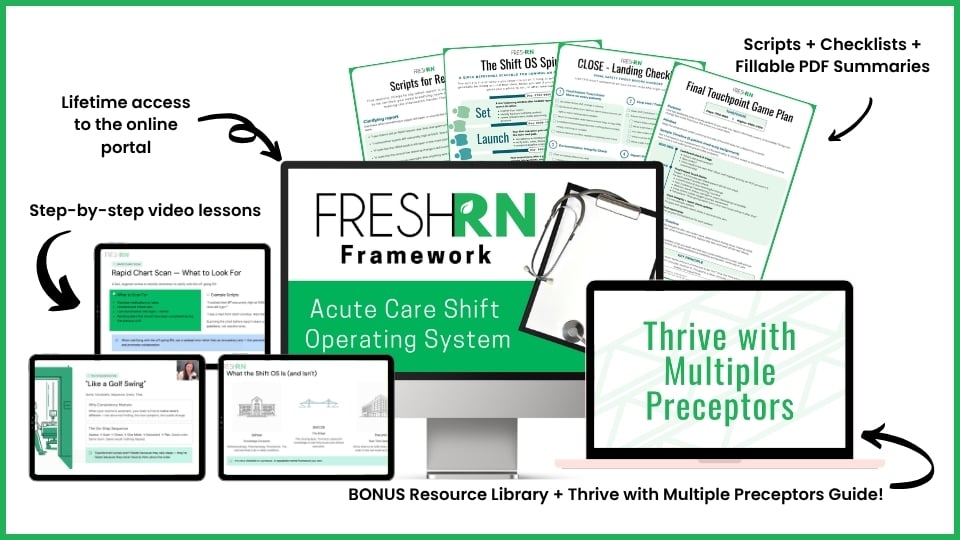
Turn a chaotic 12-hour acute care shift into a clear, structured rhythm. We cover: how to launch after report, prioritize when everything feels urgent, and finish with a clean handoff.
See What’s Inside Shift OS →

0 Comments